What The Dialectic Review actually is.
An independent, student-run publication: a place for secondary-school students to publish philosophical writing that makes an argument, and to have that argument formally tested rather than just posted.
Philosophy begins before the answer.
Most students meet philosophy, if at all, after years spent solving questions with predetermined answers. We start earlier than that — with the assumptions sitting underneath the question, unexamined.
Every piece we publish is read closely, argued with, and revised before it's accepted. We're not asking for polish — we're asking for a claim you're willing to defend against the best objection someone else can make to it.
Five parts of one project.
The Journal
Themed issues of original essays, short arguments, and dialogues across ethics, political philosophy, epistemology, metaphysics, philosophy of mind, aesthetics, and philosophy of science. Seven issues are published so far.
Read the Journal →The Counterargument
Our defining feature. A published essay can be paired with a formal, published objection written by someone else — naming the specific move in the argument being contested.
See how it works →Workshops
Short sessions on the actual craft of argument. Open to anyone, whether or not you plan to submit.
See the next one →The Fellowship
A small-cohort seminar for students who want sustained, structured mentorship on one piece over several weeks, ending in publication.
See the 2025 Cohort →The Dialectic Prize
Our annual essay competition, judged against a published rubric rather than a closed panel’s taste. The 2025 cycle drew 2,200 submissions; six winners were published.
See the winners →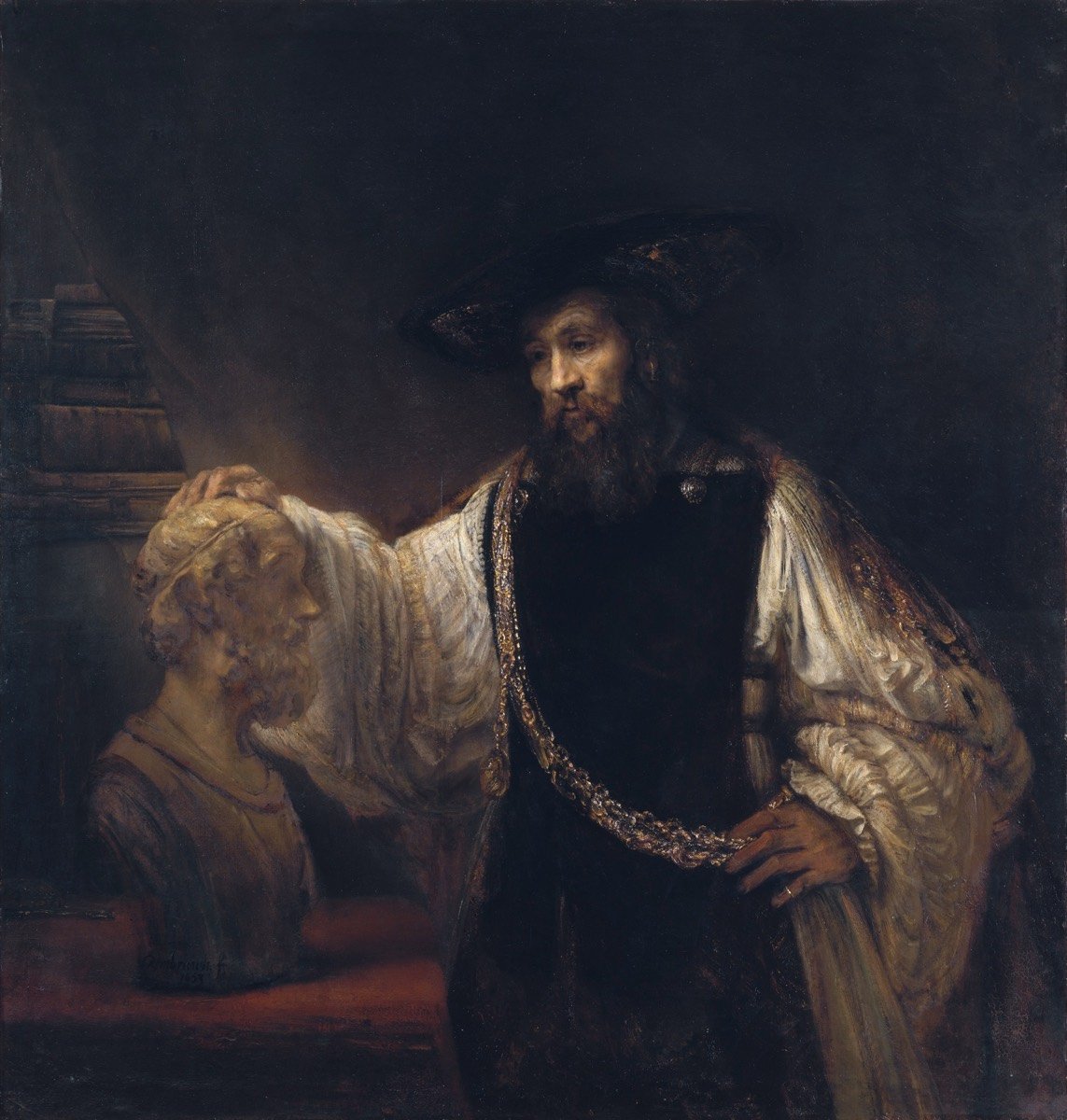
“It is the mark of an educated mind to look for precision in each class of things just so far as the nature of the subject admits.” — Aristotle, Nicomachean Ethics, Book I
From submission to print.
You submit
Through our submission form: your details, category, abstract, and manuscript as PDF or DOCX.
It is read closely
Every submission is read closely — for the strength of its central argument rather than for formal philosophy training.
It is revised
Pieces are revised before acceptance, alongside student editors and academic advisors.
It may meet an objection
A published essay can be paired with a formal Counterargument that names the move being contested.
It is published
Accepted work appears in the issue it fits, free to read as a typeset PDF.
Started by one student, still run by students.
“I wanted a place to publish an argument, not a summary of one — and a place where someone would actually push back on it before it went out.”
The Dialectic Review was founded by Advik Bansal and is edited day to day by a small student team, with academic advisors from the universities above reading and revising alongside them before a piece reaches print. A full student editorial board is the next thing being built as the Review grows.